Optomap
Ground breaking technology
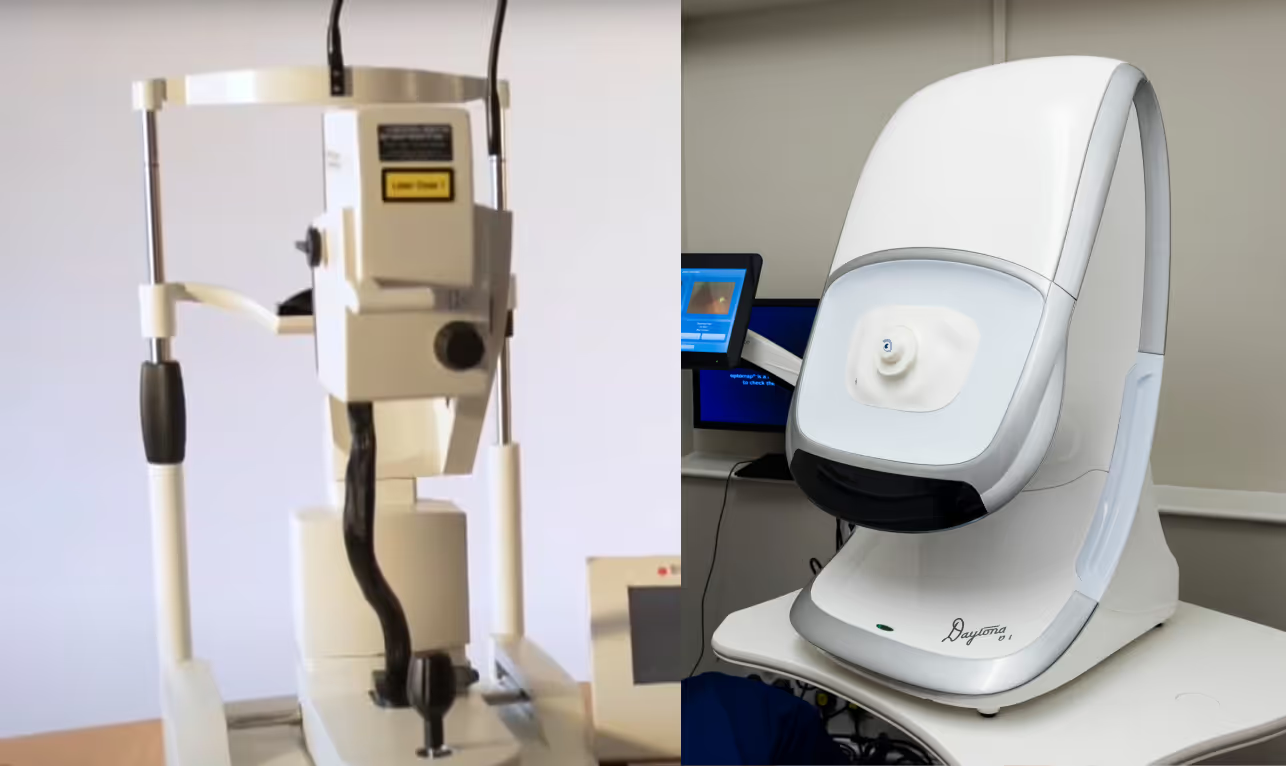
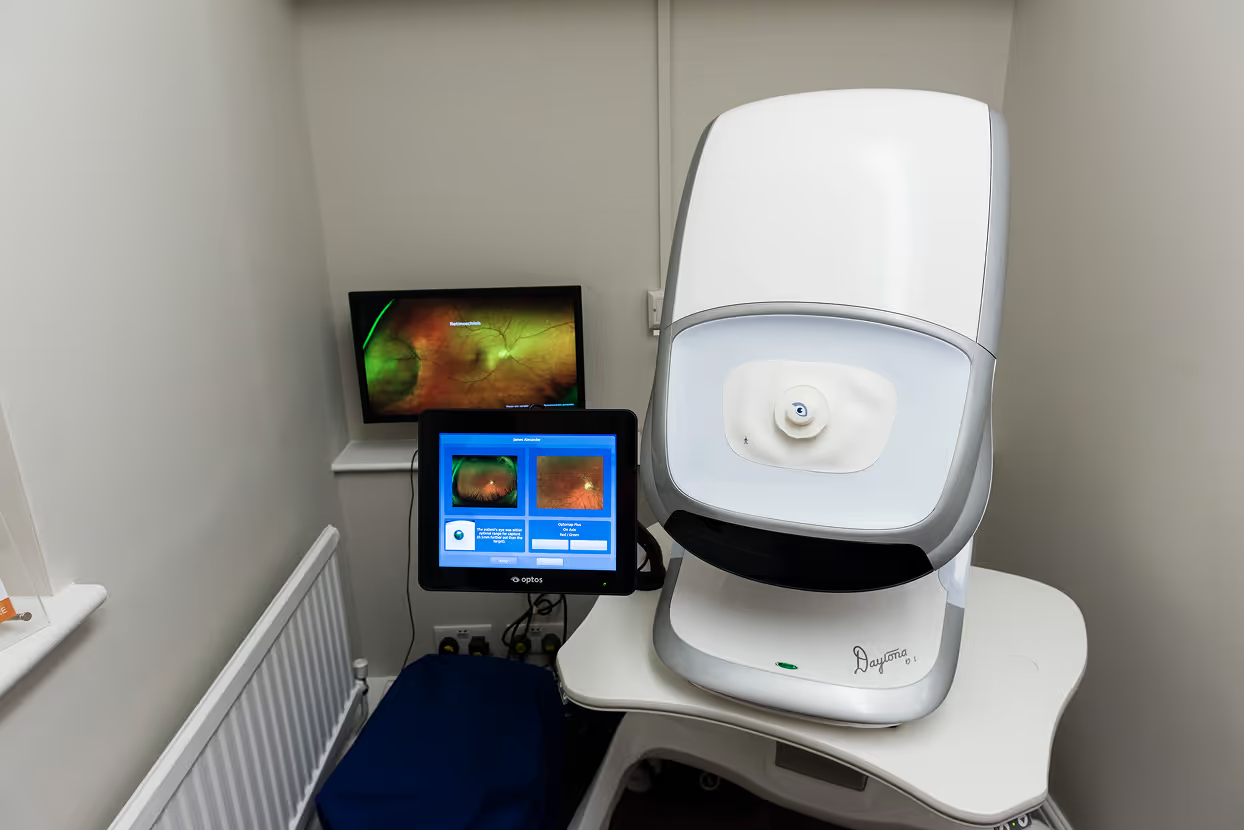
We have recently upgraded our Optomap to the Daytona Plus – one of about 50 practices in the UK to have this simply amazing, state-of-the-art technology! It is part of our commitment to offer you the highest standard of eye care and we would highly recommend it to all of our patients.
The Optomap Retinal Exam is suitable for all ages – from children to adults.
What is an Optomap Retinal Examination?
The Optomap is a scanning laser ophthalmoscope that digitally images the inside of the back of the eye called the retina. It allows us to quickly and easily assess the health of the retina without any pupil dilation (drops) or anything touching your eyes. In less than 0.25 seconds we can see virtually the entire retina displayed on screen immediately for evaluation.
Then using specialist software, you will review the images together with your optometrist and discuss any findings. By combining your optometrists expertise and the optomap wide-view images, informed decisions can be made about your eye health and overall wellbeing.
Why is the Optomap Retinal Examination different?
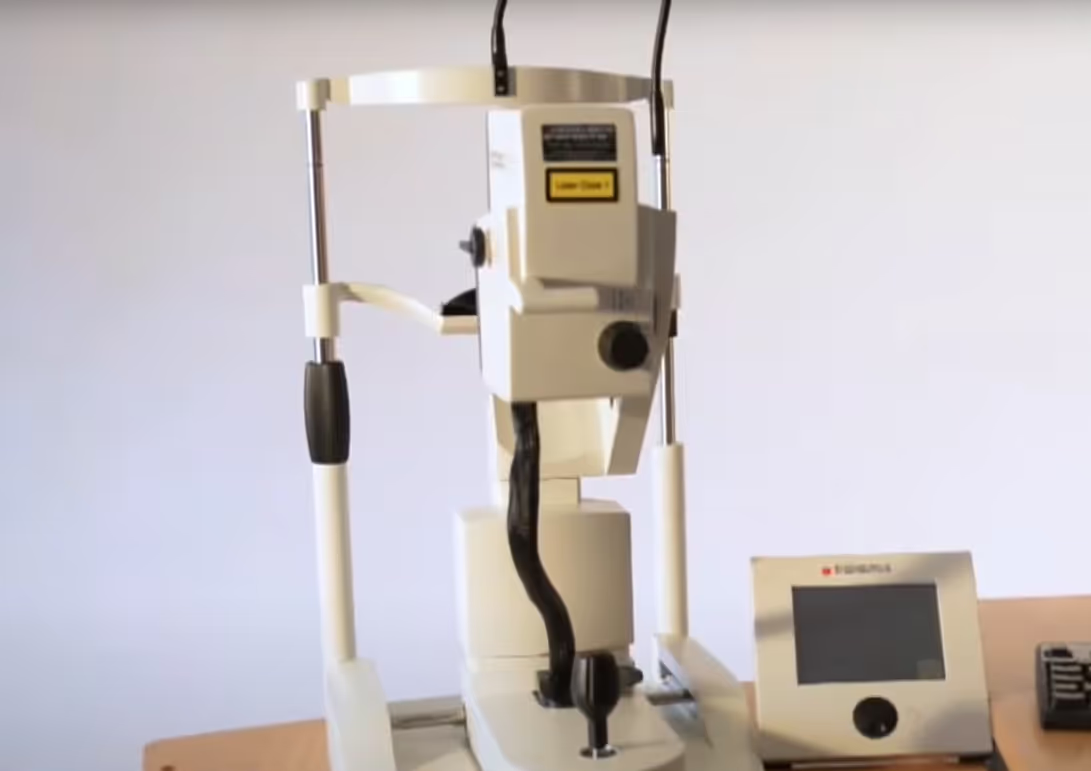
What makes the Optomap unique is that it allows us to see up to 80% of the retina at once. Traditional methods, such as the direct ophthalmoscope and slit lamp, only show a small part of the retina at any one time, less than 10%, and even a retinal camera (found in most opticians) only between 10-15%. It’s the difference between looking into a room through the keyhole or through an open set of double doors!
Why is this so important for you?
Because the optomap gives us an ultra wide view of the retina, the two main advantages are:
- Early detection of disease.
This view gives us access to areas of the retina that are difficult to view with conventional equipment, and allows us to see it all at once. This enables us to confidently confirm your retinal health, or discover the early signs of disease such as diabetes, heart disease, hypertension and cancer. Early detection is essential for early intervention and more successful treatment. - Monitor for changes.
This permanent, absolute record is archived, and images taken at different times can easily be compared against one another on the computer screen. This makes spotting even the subtlest and smallest changes much easier than before. While one image is useful, to build up a meaningful picture of your retinal health and accurately track changes over time, we recommend that you have an optomap Retinal Examination each time you visit us for an eye examination. Images can even be emailed to an ophthalmologist for an opinion.
As the optomap Retinal Exam takes seconds to do this can be particularly useful for fidgety kids and those who are sensitive to bright lights.